
Medical history and future protection

Insuring a pet with an earlier injury

Separate today’s treatment, later related care and genuinely new problems before deciding what a new policy could do.

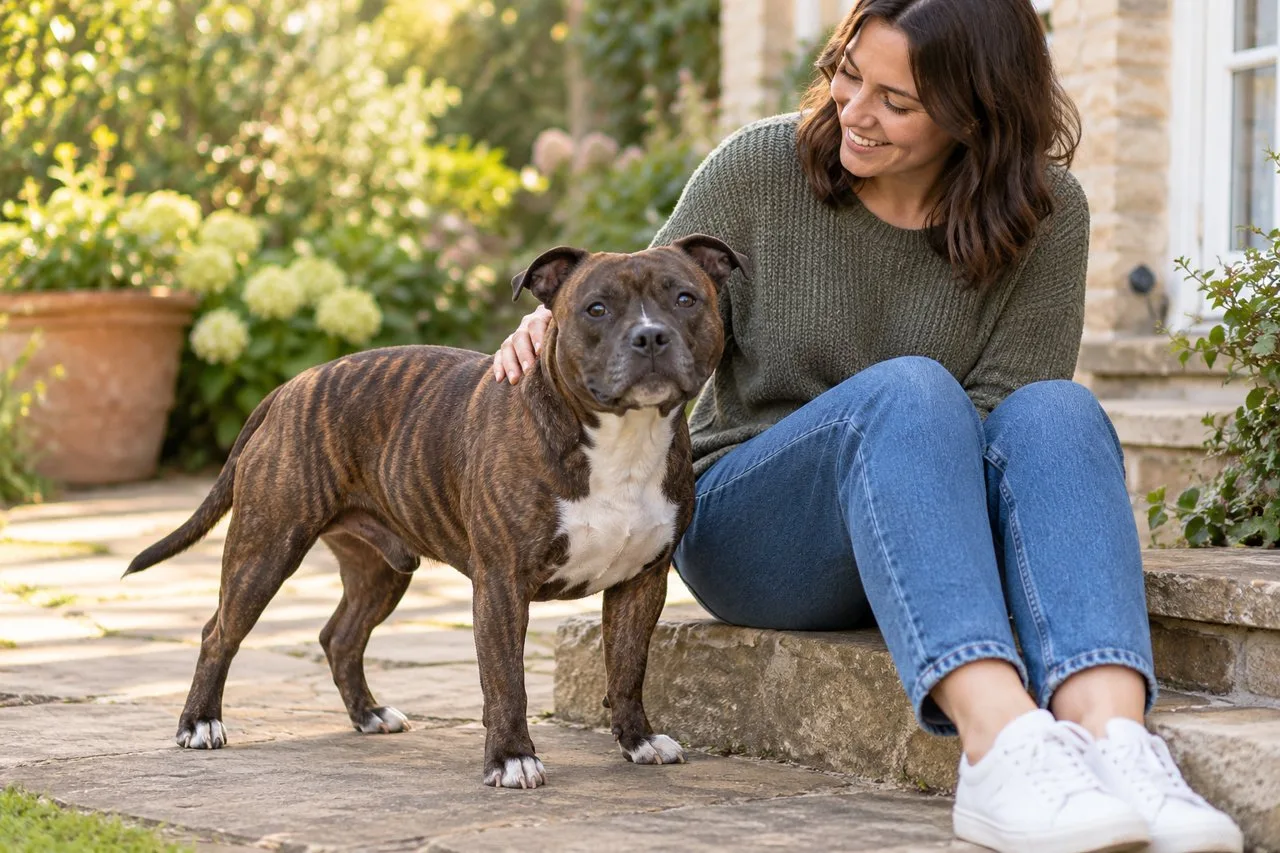
Owner seated beside a brindle dog in a garden
✓ Policy-first ✓ Independent ✓ Useful checks
Direct answer
A new pet policy usually will not pay for an injury that happened before coverage or during an applicable waiting period. You may still be able to insure the pet for unrelated future problems. Some contracts can reconsider certain fully resolved conditions, but a healed injury is not automatically eligible and knee or ligament exclusions can be especially restrictive.
Timing

A real exception has conditions, not just a waiting clock

ASPCA Pet Health Insurance’s official explanation describes a condition that is curable, cured and free of symptoms and treatment for 180 days as potentially no longer pre-existing. It expressly excepts knee and ligament conditions. Read the applicable plan before relying on that provision.

The required facts are not established merely because six months pass after buying. A pet still receiving treatment or showing symptoms would not satisfy a symptom-and-treatment-free requirement. Nor does the rule mean the company will reimburse the care that occurred before eligibility.

The same source explains that a knee or ligament condition present before coverage or during a wait can exclude future knee or ligament conditions. That is a material reason to ask about the exact old injury rather than a general “curable conditions covered” marketing phrase.

Other insurers can use different rules or no comparable exception. The example is a contract-specific avenue to investigate, not a standard right under all pet policies.

What to know

The next bill can relate to the injury in different ways

Expense path What to establish
Treatment of the original injury When did the injury happen relative to the effective date and any relevant wait? Buying now generally does not transfer an already-existing loss.
Later follow-up, rehabilitation or recurrence Does the policy treat it as related to the original injury? A later invoice date does not make the underlying condition new.
An unrelated future accident or illness Does the new event meet coverage definitions and timing, without falling under another exclusion? The old injury does not itself answer every future claim.

Enrollment eligibility and claim eligibility are different. A company may allow you to buy a policy for the animal while excluding the existing injury. Ask about both, and obtain the offered policy rather than interpreting a completed quote as medical clearance.

What to know

Build a factual record of the injury

Owner reading papers with a golden-colored dog beside her
A complete medical timeline can distinguish an old injury from a later unrelated event.

Request the first visit note, any imaging or diagnostic report, treatment dates and follow-up or discharge notes. If several clinics were involved, obtain the history from each. Note when symptoms first appeared as well as the date the condition received a formal name.

A record request might say: “Please provide the notes for the injury, the treatment course and the final follow-up, including any documented ongoing signs or restrictions.” Ask for records and factual clarification, not a new label designed to obtain coverage.

Send the insurer the relevant history through its normal process and ask which policy provision applies to future related care. If a review can only occur with a claim, record that limit. Do not invent pre-approval from an informal conversation.

A missing record does not prove a condition never existed. If the pet is adopted or records are incomplete, explain what is known and ask how that uncertainty is handled.

What to know

If the injury happened under an existing policy

Do not cancel that policy solely because a new premium is lower. First ask the current insurer whether continuing care for the injury remains eligible under the active contract, and ask the proposed insurer how it would classify the same history.

A condition arising after one policy became effective may be prior history for a replacement. The two policies can therefore be incomparable even when both say they cover accidents. A lower monthly payment may come with a substantial change in what you can claim.

Keep the current policy, renewal notice and claims explanations together while comparing. A decision about continuity should use the actual documents and any relevant state provisions, not an assumption that all companies carry prior coverage forward.

Quotes

Fund current care separately from future insurance

If the injury needs attention now, contact the veterinarian and discuss the treatment plan and payment arrangements available from that clinic. Do not delay evaluation to try to move a symptom or diagnosis past a policy date. This article cannot assess how urgent the injury is.

For the insurance decision, ask what protection remains worthwhile after the known injury exclusion. You may value help with unrelated future illness or injury, or find that the remaining offer does not fit your budget. Neither conclusion requires pretending the earlier injury has disappeared.

If a claim is refused on a pre-existing basis, request the cited policy clause and medical evidence, then use the insurer’s review process if the facts are inaccurate or incomplete. A correction to a factual error is different from asking a clinician to erase valid history.

Evidence

Sources and policy context

These public references support the consumer or veterinary context. Named insurer details were checked in official product materials; the policy offered for your pet and state determines the actual terms.

Next step

Compare Current Pet Insurance Rates

Check current options for your pet and location, then compare the policy details, exclusions, costs, and eligibility before choosing.

Compare the policy before you choose Check the actual offer, exclusions and out-of-pocket terms.
See Rate Options